
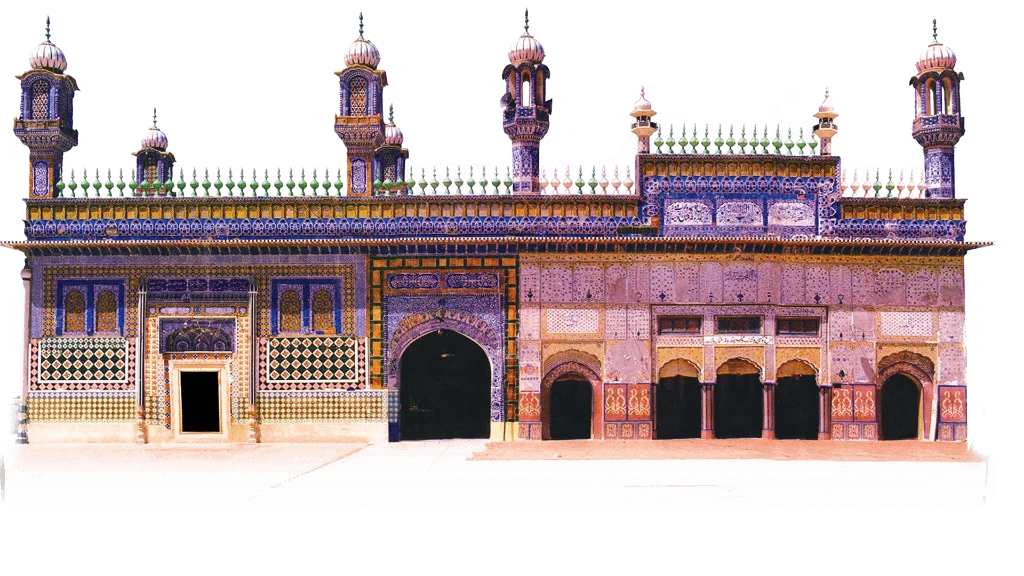
151. Be and It Becomes
کُنْ فَیَکُوْن جدوں فرمایا، اَساں وِی کولے ہاسے ھُو
ہِکے ذات ربّ دِی آہی، ہکے جگ وِچ ڈھنڈیاسے ھُو
ہکے لامکان مکان اساڈا، ہکے آن بُتاں وِچ پھاسے ھُو
نفس پلیت پلیتی کیتی باھُوؒ، کوئی اصل پلیت تاں ناسے ھُو
ک
ਕੁਨ ਫ਼ਾਯਾਕੂਨ ਜਦੋਂ ਫ਼ਰਮਾਇਆ, ਅਸਾਂ ਵੀ ਕੋਲੇ ਹਾਸੇ ਹੂ
ਹਿੱਕੇ ਜ਼ਾਤ ਰੱਬ ਦੀ ਆਹੀ, ਹਿੱਕੇ ਜਗ ਵਿਚ ਢੰਡਿਆਸੇ ਹੂ
ਹਿੱਕੇ ਲਾਮਕਾਨ ਮਕਾਨ ਅਸਾਡਾ, ਹਿੱਕੇ ਆਣ ਬੁੱਤਾਂ ਵਿਚ ਫਾਸੇ ਹੂ
ਨਫ਼ਸ ਪਲੀਤ ਪਲੀਤੀ ਕੀਤੀ ਬਾਹੂ(ਰਹ), ਕੋਈ ਅਸਲ ਪਲੀਤ ਤਾਂ ਨਾਸੇ ਹੂ
ਕਾਫ਼
Kun Fayakun jaddoon farmaaiaa, asaan vee kole haase Hoo
Hikke Zaat Rabb dee aahee, hikke jag wich dhundiaase Hoo
Hikke laamakaan makaan asaadaa, hikke aan buttan wich phaase Hoo
Nafs paleet paleetee keetee Bahoo, koee asal paleet taan naase Hoo
Kaaf
“Be!” The command ordained. It becomes. We were with Him
Once the Divine Essence was in front of us. But now we wander in His search roaming this world
Once dwelled beyond time and space, now trapped we became in earthen vessels
The dark self made us neglectful, O Bahoo. Impure, we were not
Explanation by Sultan ul Ashiqeen
We were with Allah when He created the creation by the command ‘Be!’. There was a time when we were with the Divine Essence and now is the time when our soul is trapped in human body searching for Allah. There was a time when we dwelled at the station of no station and now, we are imprisoned in the earthen body. Our souls have been polluted and we have become impure due to the inciting self otherwise this is not how we were.
GLOSSARY
| Shahmukhi, Gurmukhi & Transliteration | English |
|---|---|
| کُنْ فَیَکُوْن ; ਕੁਨ ਫ਼ਾਯਾਕੂਨ ; Kun Fayakun | A Quranic term, “Be! And it becomes.” |
| جدوں ; ਜਦੋਂ ; jaddoon | When |
| فرمایا ; ਫ਼ਰਮਾਇਆ ; farmaaiaa | Said, commanded |
| وی کولے ہاسے اَساں; ਅਸਾਂ ਵੀ ਕੋਲੇ ਹਾਸੇ ; asaan vee kole haase | We were also there; we were close |
| ہِکے ; ਹਿੱਕੇ ; hikke | One, once |
| ربّ دِی ذات; ਜ਼ਾਤ ਰੱਬ ਦੀ ; Zaat Rabb dee | Divine Essence, Essence of Allah |
| آہی ; ਆਹੀ ; aahee | Close; was; cherished |
| جگ ; ਜਗ ; jag | World |
| وِچ ; ਵਿਚ ; wich | In, inside, into |
| ڈھنڈیاسے ; ਢੰਡਿਆਸੇ ; dhundiaase | Searching, looking for |
| لامکان ; ਲਾਮਕਾਨ ; laamakaan | Station of no station, beyond time and space |
| مکان ; ਮਕਾਨ ; makaan | Abode, dwelling |
| اساڈا ; ਅਸਾਡਾ ; asaadaa | Our, ours |
| آن ; ਆਣ ; aan | Come |
| بُتاں ; ਬੁੱਤਾਂ ; buttan | Idol; the human physical body |
| پھاسے ; ਫਾਸੇ ; phaase | Trapped, entangled |
| نفس پلیت ; ਨਫ਼ਸ ਪਲੀਤ ; nafs paleet | Filthy self; inciting self |
| کیتی پلیتی; ਪਲੀਤੀ ਕੀਤੀ ; paleetee keetee | Made (us) impure |
| کوئی ; ਕੋਈ ; koee | None, nobody, not any |
| اصل ; ਅਸਲ ; asal | Originally |
| تاں ناسے ; ਤਾਂ ਨਾਸੇ ; taan naase | Were not |
Note:
In many books on Sultan Bahoo’s poetry, the second verse of the quatrain is a bit different. It is written there ہِکے ذات ربے دِی آہی/ ਹਿੱਕੇ ਜ਼ਾਤ ਰੱਬੇ ਦੀ ਆਹੀ /Hikke Zaat Rabbe dee aahee. Once I read this verse in front of my spiritual guide, Sultan-ul-Faqr VI Sultan Mohammad Asghar Ali. He corrected it while quoting, “The way Ism-e-Allah Zaat or any of the attributive names of Allah are written in Quran and Hadith, in the same manner they should be read, written or spoken. In sharia, it is not allowed to alter a person’s name hence how can the God, ربّ/ਰੱਬ/Rabb be called as رَبّے/ਰੱਬੇ/Rabbe or رَبّا/ਰੱਬਾ/Rabba! Especially, it is impossible by Sultan-ul-Arifeen Sultan Bahoo who never missed even any additional or voluntary form of worship.”